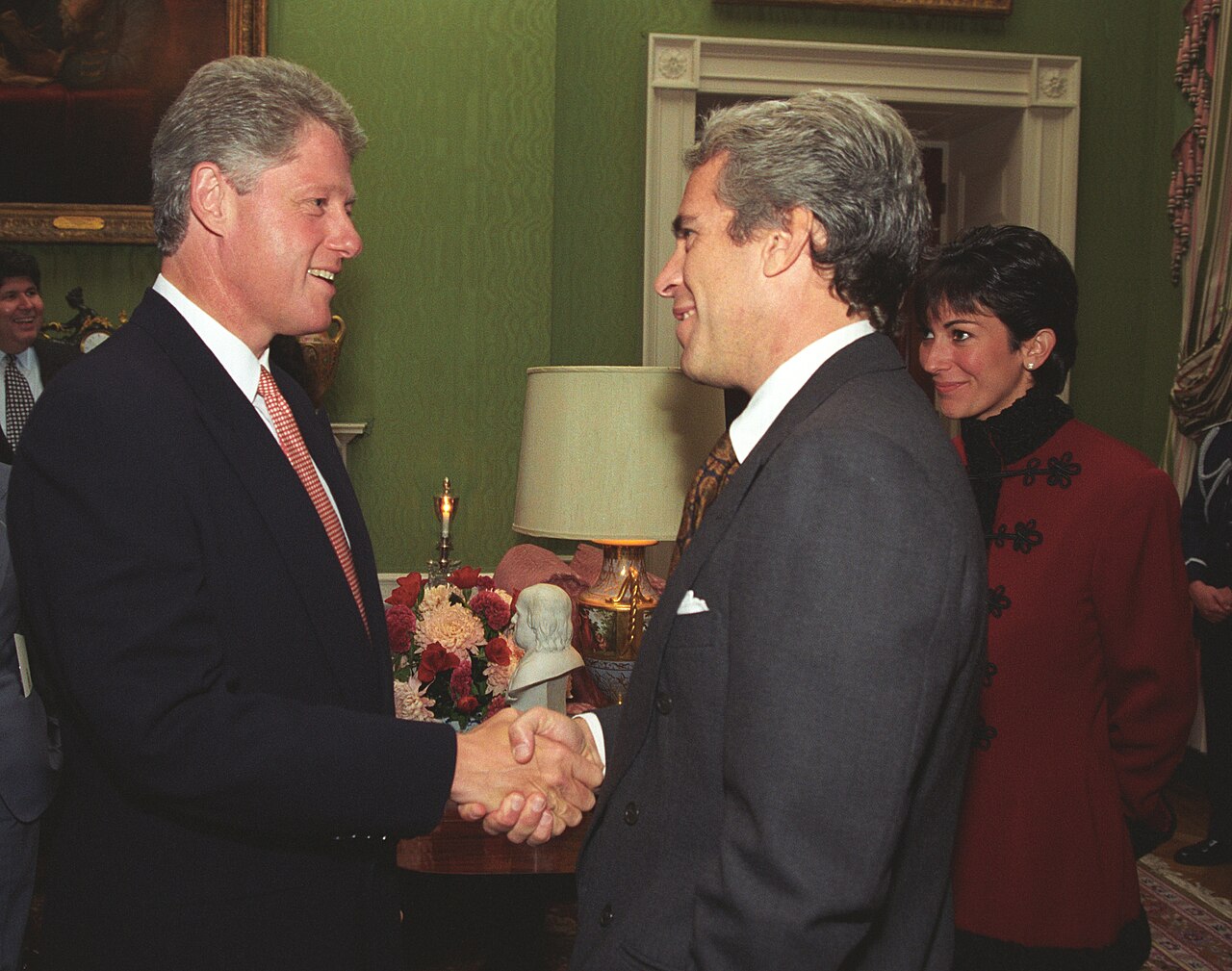
Analyzing the Reported Interactions Between Bill Clinton and Jeffrey Epstein
The reported association between former U.S. President Bill Clinton and convicted sex offender Jeffrey Epstein has been a subject of intense public and media scrutiny for years. This complex relationship, primarily surfacing through flight logs and other public records, has fueled widespread speculation and raised significant questions about the nature of Epstein's social network and the powerful figures within it. This article aims to analyze the publicly known aspects of the Jeffrey Epstein & Bill Clinton relationship, drawing on reported facts and official statements, while emphasizing the importance of verifiable information in such a sensitive context.
The Scope of Their Reported Interactions
Public records and investigative reports have indicated that former President Bill Clinton traveled on Jeffrey Epstein's private jet, often referred to as the "Lolita Express," on multiple occasions in the early 2000s. These travels reportedly occurred during a period when Clinton was engaged in post-presidency humanitarian work, but before Epstein's initial conviction for sex offenses in 2008 became widely known.
- Reported Flights: Flight logs, which became public through various media investigations, suggested Clinton was a passenger on Epstein's plane for trips to destinations including Europe, Asia, and Africa, associated with philanthropic endeavors.
- Number of Flights: While exact numbers vary slightly depending on the source and interpretation of manifests, reports generally indicate a range of more than two dozen individual legs of flights.
- Clinton's Stated Purpose: Representatives for Bill Clinton have consistently stated that his travels on Epstein's plane were for legitimate purposes, primarily humanitarian and charitable work as part of the Clinton Foundation's initiatives. They have maintained that Clinton was unaware of Epstein's criminal activities.
The surfacing of these flight records sparked considerable public debate, not least because of the infamous reputation of Epstein's aircraft and the alleged activities that reportedly occurred during other flights. However, it's crucial to reiterate that the presence of Clinton on these flights has been framed by his representatives as part of his public service work.
Public Scrutiny and Official Responses
The association between the Clinton-Epstein connection has been a recurring focus for investigative journalists and public discourse, particularly following Epstein's later arrests and the extensive revelations about his network. The narrative surrounding their interactions often hinges on the distinction between mere acquaintance and complicity, a line that public opinion has debated fiercely.
Clinton's Office Statements
Following the intensified scrutiny, Bill Clinton's office issued statements to clarify the nature of his contact with Epstein. These statements typically assert:
- Clinton reportedly took a total of four trips on Epstein's plane in 2002 and 2003.
- Staff members, as well as Secret Service personnel, reportedly accompanied Clinton on these trips.
- Clinton's office explicitly stated that he knew nothing about the horrific crimes Epstein was later accused of committing.
- After Epstein's initial conviction in 2008, Clinton reportedly had no further contact with him.
These responses aim to distance Clinton from any knowledge of Epstein's illegal activities, portraying the association as limited to a period before the full extent of Epstein's depravity became public knowledge. The consistent position from Clinton's representatives is that any interactions were solely based on Epstein's apparent philanthropy and connections to global issues, not an endorsement or awareness of his criminal life.
Understanding the Context of Epstein's Network
To analyze the reported relationship between Jeffrey Epstein and Bill Clinton, it's important to understand the broader context of Epstein's strategy for cultivating influence. Epstein, despite his later public disgrace, was known for meticulously building a network of powerful and famous individuals across various fields, including politics, finance, science, and entertainment. This network was reportedly a key component of his mystique and protection.
- Cultivating Influence: Epstein reportedly leveraged his wealth and connections to host elaborate events, fund projects, and offer travel opportunities, thereby attracting high-profile guests and associates.
- The Lure of Philanthropy: Prior to his convictions, Epstein often presented himself as a philanthropist and intellectual, particularly in scientific circles. This facade likely made him seem like a legitimate figure for prominent individuals to associate with for charitable or policy discussions.
- "Gatekeepers" and Access: Access to influential figures like a former U.S. President would have significantly enhanced Epstein's perceived standing, allowing him to open doors and potentially recruit more victims.
Many individuals who associated with Epstein, including Clinton, have stated that they were unaware of his illicit activities. This highlights a critical aspect of Epstein's modus operandi: maintaining a dual life, presenting a public image of respectability while allegedly engaging in heinous crimes behind closed doors. Understanding this broader context is crucial when examining why powerful figures might have found themselves in his orbit.
The "Lolita Express" and its Symbolic Weight
The moniker "Lolita Express" for Epstein's private jet (a Boeing 727, tail number N908JE) has become shorthand for the dark underbelly of his operations. While the flight logs reportedly show many legitimate passengers, the plane also carried underage girls to Epstein's various properties, particularly his private island, Little St. James. The public focus on Clinton's flights on this plane is therefore not just about travel, but about the symbolic association with a vehicle linked to profound abuse.
It's important to distinguish between the documented fact of travel and any implication of knowledge or participation in Epstein's crimes. While the media and public have rightly scrutinized every detail, official statements from Clinton's camp consistently deny any such knowledge or involvement. The sheer number of powerful individuals who reportedly interacted with Epstein on this plane and elsewhere underscores the pervasive nature of his deceptive network.
Ongoing Questions and Public Perception
Despite official statements and the passage of time, the Jeffrey Epstein Clinton connection remains a significant point of public interest and often, concern. The scandal surrounding Epstein has left a lasting impact on how the public views powerful individuals and their associations.
One of the primary lingering questions revolves around the extent of awareness among Epstein's high-profile associates. While many claim ignorance of his sex trafficking activities, the intensity of public outrage often stems from a disbelief that individuals operating at such high levels of influence could remain entirely oblivious to a person's true nature, especially given Epstein's reputation and initial conviction. However, this remains a point of speculation, and without concrete evidence, it is impossible to draw definitive conclusions about personal knowledge.
The scrutiny of these relationships also serves as a potent reminder of the importance of transparency and accountability, particularly for those in public service. The desire for absolute clarity on who knew what, and when, drives much of the continued public discourse surrounding Epstein's entire network, not just his association with Clinton. This pursuit of transparency is a crucial element in ensuring that justice is served and preventing similar abuses in the future.
Conclusion
The reported relationship between Bill Clinton and Jeffrey Epstein is a complex and sensitive topic that continues to resonate in public discourse. Based on publicly available information, Bill Clinton reportedly traveled on Jeffrey Epstein's private jet for humanitarian and charitable purposes during the early 2000s, accompanied by staff and security. Clinton's representatives have consistently stated that he had no knowledge of Epstein's criminal activities and ceased all contact after Epstein's initial conviction. This position aims to differentiate between a casual association in a period of apparent philanthropy and any complicity in his later-revealed heinous crimes.
While the flight logs and other public records document interactions, the deeper implications of these associations remain a subject of intense media scrutiny and public debate. The case highlights the intricate web of power, influence, and deception that Jeffrey Epstein meticulously constructed, and serves as a stark reminder of the importance of vigilance and accountability when powerful figures cross paths. Ultimately, the analysis of the Jeffrey Epstein Clinton relationship must rely on verifiable facts, reported statements, and careful consideration of context, rather than speculation, to navigate such a deeply troubling and impactful chapter in recent history.